Regional skateparks
Complete facilities with enough scale, variety and supporting infrastructure to serve the region, host events and remain interesting across years of progression.
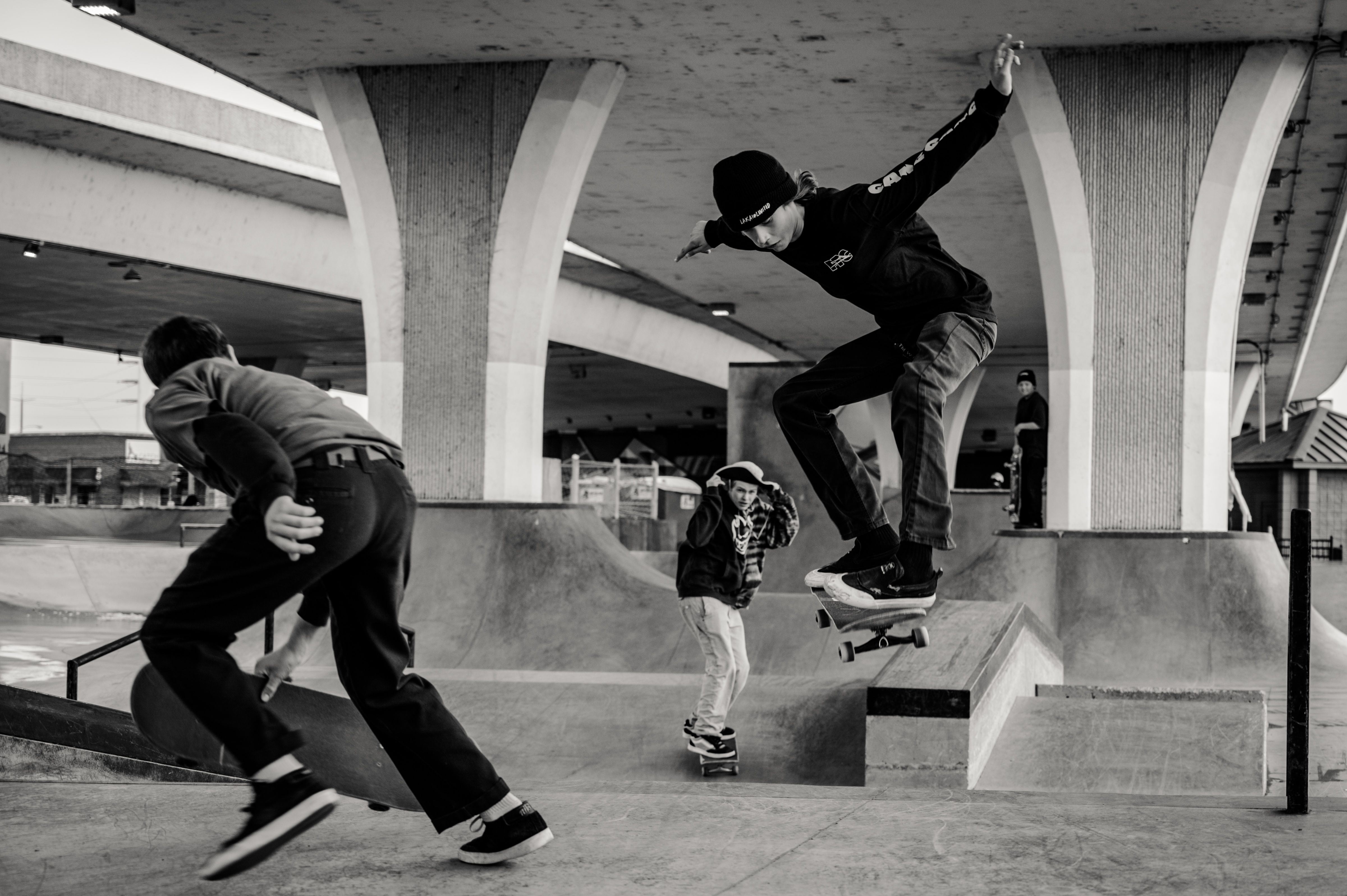
Austin · Texas · Built for motion
Help shape Austin's next generation of skate spaces—places designed for skateboarders, roller skaters, inline skaters, adaptive athletes and everybody still discovering how they move.
Skate is a use, not a device
A skatepark succeeds when its terrain invites more people into motion.
Skate Austin advocates for purpose-built skateparks and for skatable terrain woven thoughtfully into the city. We care about large regional parks, small neighborhood features, existing spaces that deserve repair, and public places designed with movement in mind.
That means listening before concrete hardens. It means involving the people who will use a place, the people who maintain it, nearby neighbors, first responders, designers, builders and public partners. It also means recognizing that skateboarders are not the only people who understand transition, flow, edges, banks, bowls and lines.
The immediate civic moment
On November 3, Austin voters will consider a parks-and-recreation bond. It is not a skatepark earmark. It is an opening to insist that durable, inclusive recreation belongs in the city's long-term thinking.
Skate Austin is building the constituency and practical knowledge needed before, during and after any bond election: where skate spaces belong, whom they should serve, how they should be designed, and how Austin can maintain them for a generation.
Proposition A
$260M
Proposed parks and recreation investment
Source: City of Austin 2026 Bond information.
What counts as skate space?
Complete facilities with enough scale, variety and supporting infrastructure to serve the region, host events and remain interesting across years of progression.
Accessible places close to home: a few excellent elements, thoughtfully designed, distributed through neighborhoods instead of concentrated beyond reach.
Integrated edges, banks, transitions and gathering places that acknowledge a simple truth: when a city provides nowhere to skate, the city becomes the skatepark.
Austin experience · national perspective
Skate Austin brings together people who have spent decades advocating, designing, building and caring for skateparks.
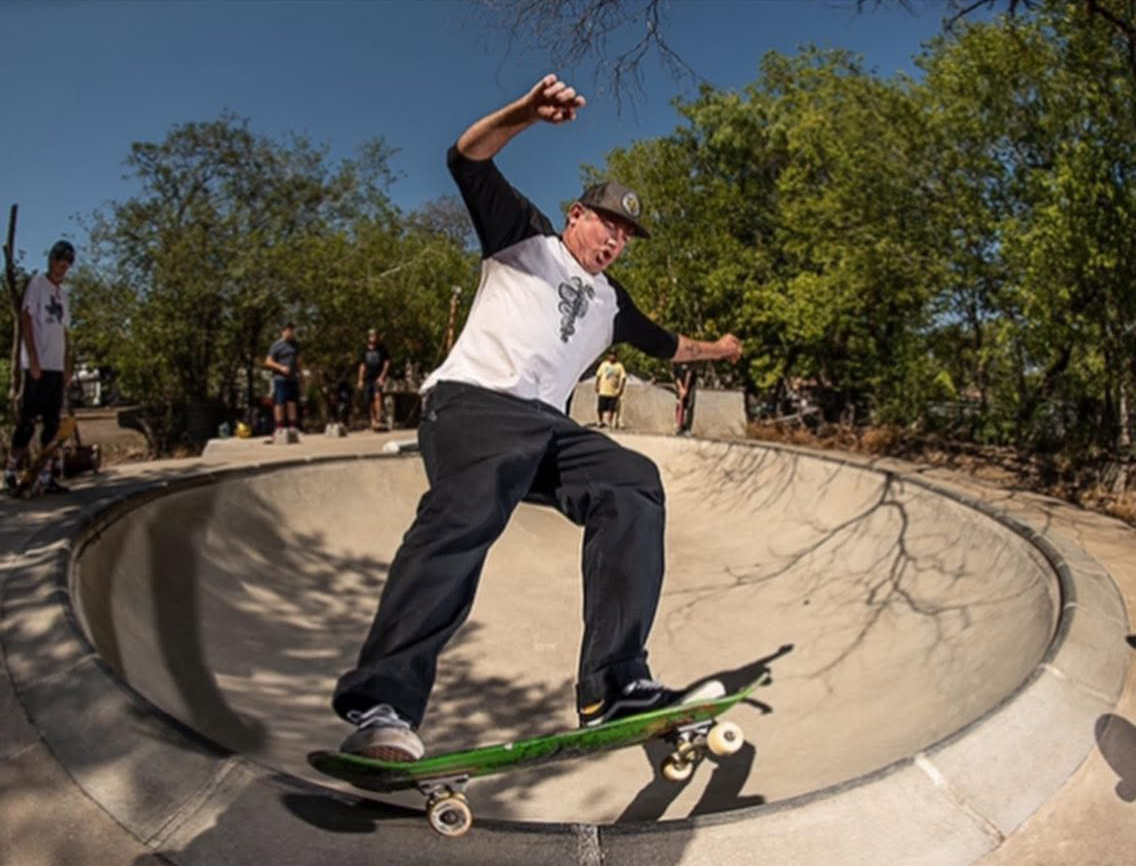
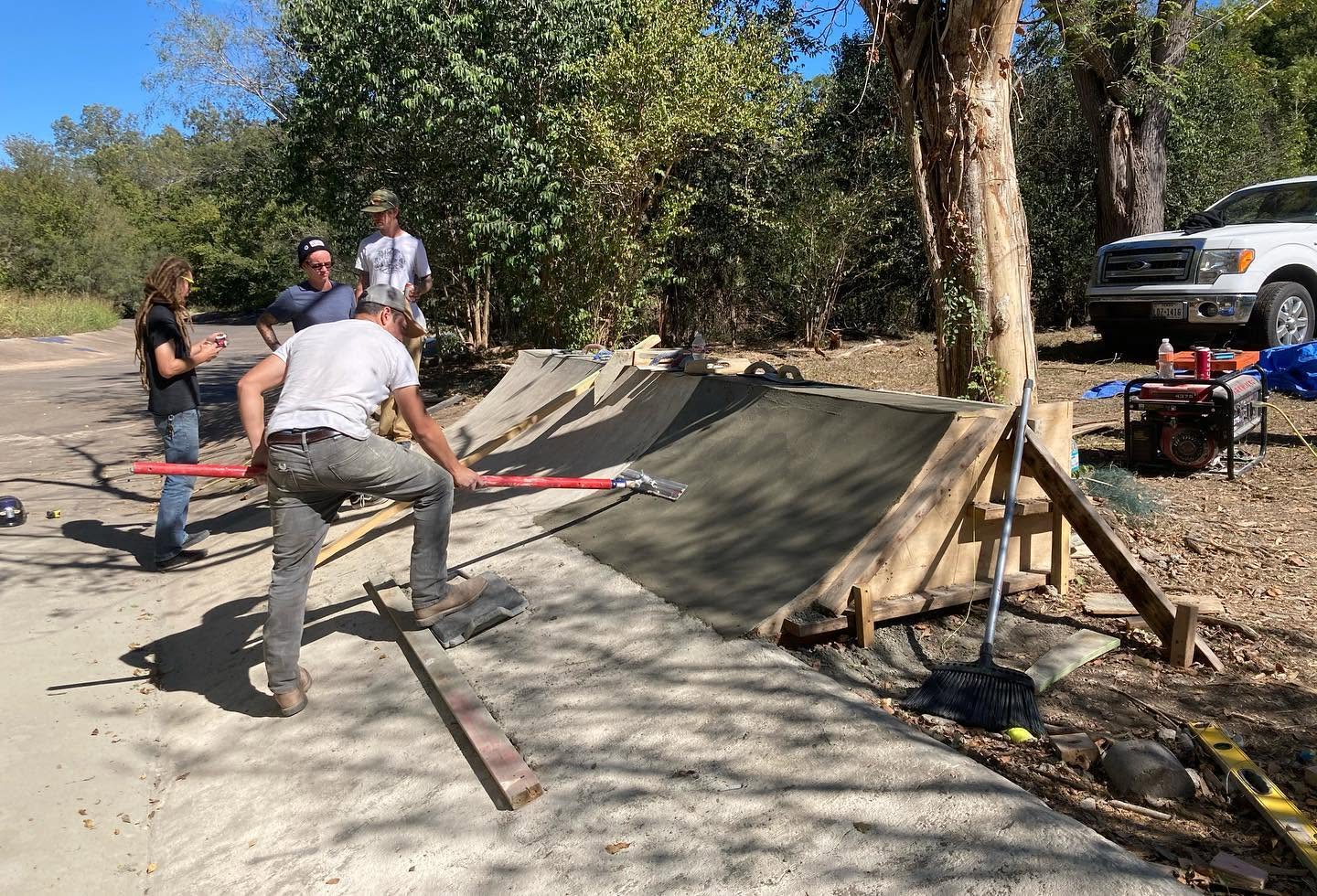
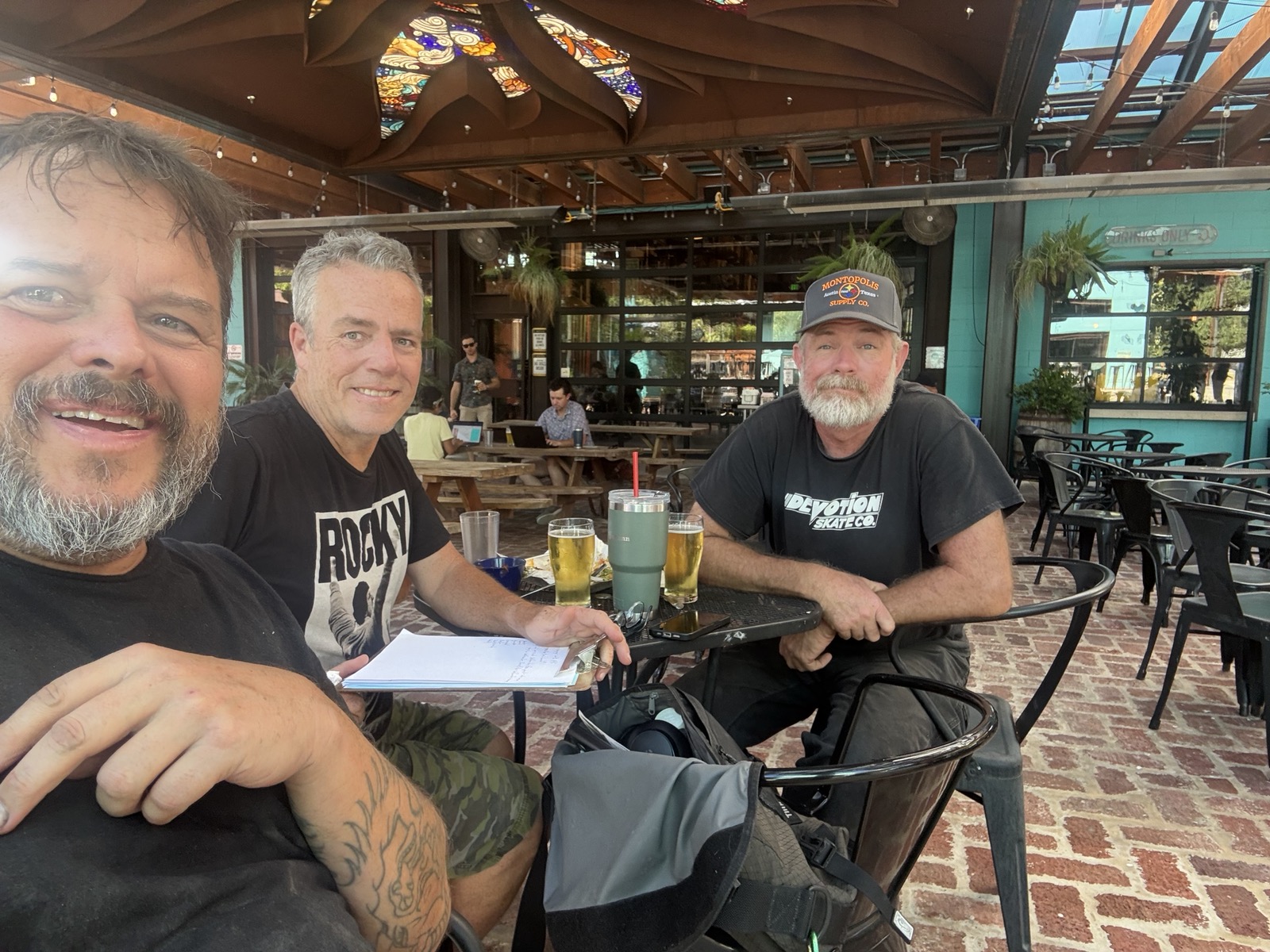
Seth Johnson and Cary Jackson co-founded Ideal Skateparks and helped advance public skatepark construction in Central Texas. Kent Dahlgren founded Skaters for Public Skateparks, served on the board of the Tony Hawk Foundation and learned community-built terrain as a charter member of Portland's Burnside Skatepark. He also served on the Portland skatepark committee that recommended a citywide system of 19 skateparks—subsequently approved as the first plan of its kind in the world.
That history matters because Austin does not need nostalgia. It needs accumulated experience placed in service of the next generation—and enough humility to let that generation improve upon it.
Shared principle
Acquisition cost is not total cost. The real civic obligation includes inspection, maintenance, programming, safety, repairs, adaptation and eventual renewal.
SCAMP Austin's Built to Last framework brings lifecycle planning, CPTED, fiscal responsibility, accessibility and cultural stewardship into the conversation before the ribbon cutting—not after the maintenance crisis.
Read Built to Last at SCAMP Austin ↗Skate Austin represents the needs, knowledge and possibilities surrounding skateparks and skatable terrain. SCAMP Austin connects that focused work with cycling, art, music, accessibility and the larger future of Austin's parks and public places.
Sometimes the work requires deep skate-specific knowledge. Sometimes it requires people from different disciplines to discover that they have been trying to solve adjacent versions of the same problem. Austin needs both conversations.
Visit SCAMP Austin ↗Bring something to the session
Bring a place, a problem, a skill, a connection, a memory or a better question.
Skate Austin is assembling the people and practical knowledge needed to improve existing skate spaces, identify new opportunities and make sure the next investment is built to last.
You do not need to speak for everybody. Start by telling us what you see.